
How to Build a Skincare Regimen That Works
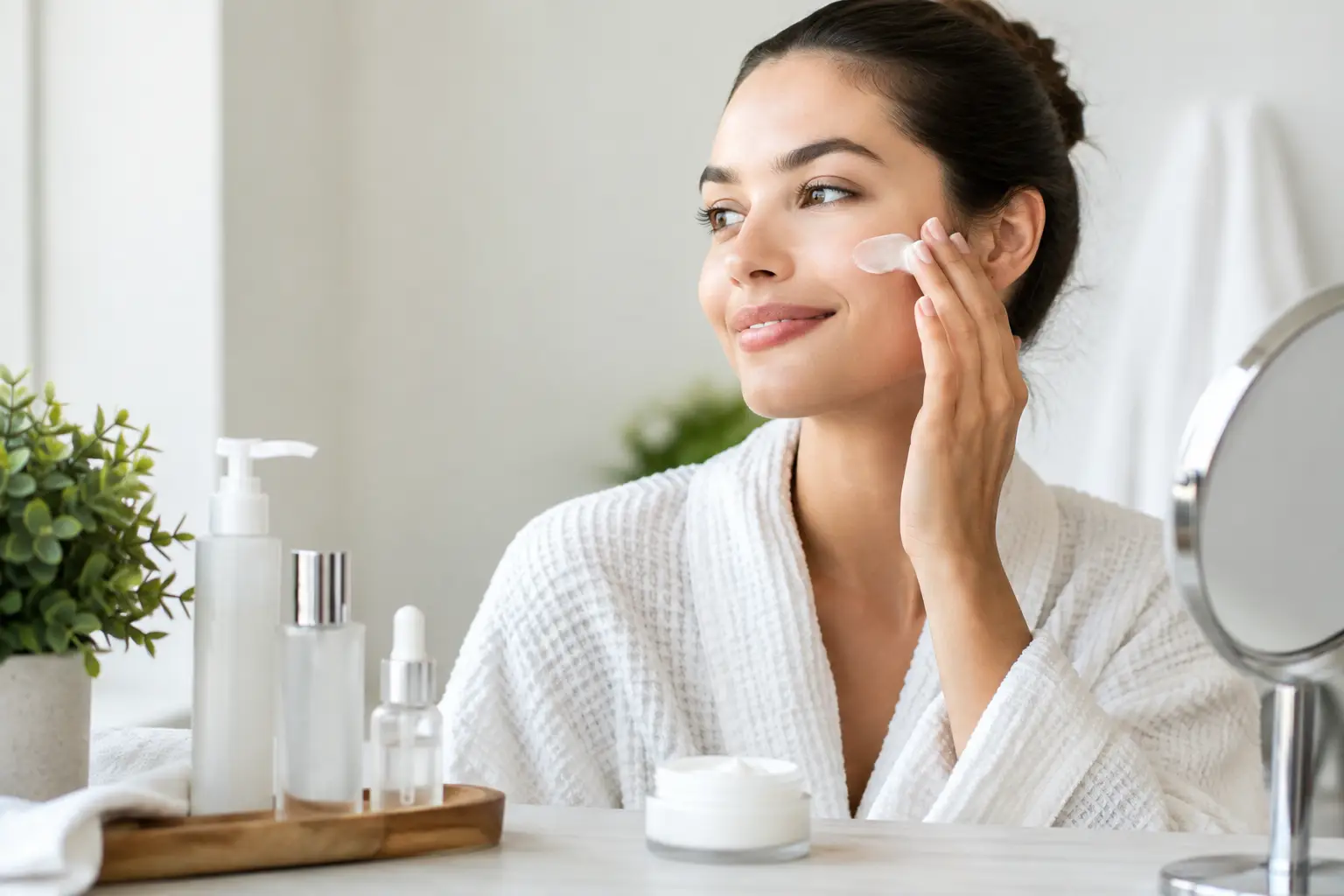
A bathroom counter full of expensive products is not the same thing as healthy skin. Knowing how to build a skincare regimen starts with a clearer question: what does your skin need right now, and what can you realistically do consistently? The best routine is not the most complicated one. It is a thoughtful plan that supports your skin barrier, addresses your priorities safely, and gives each product enough time to do its job.
Your skin can also change with stress, climate, hormones, medications, exercise, travel, diet, and age. That is why copying a friend’s routine or following a viral trend often leads to irritation, breakouts, or disappointment. A science-based regimen should be personal, practical, and adjusted as your skin changes.
Start With an Honest Skin Assessment
Before choosing products, look at your skin without trying to label it based on a quiz. Notice how it feels after cleansing, where it becomes shiny, whether it flakes, how often you experience breakouts, and how your skin reacts to new products. Skin type is useful, but it is only part of the picture.
Someone can have oily skin that is dehydrated, dry skin with acne, or sensitive skin with hyperpigmentation. A person may also have a generally balanced complexion but struggle with a specific concern such as redness, uneven tone, fine lines, congestion, or dullness. Your regimen needs to account for both your baseline skin behavior and your current concerns.
It helps to take a quick inventory of what you already use. Include cleansers, makeup removers, serums, moisturizers, sunscreen, exfoliants, masks, spot treatments, supplements, and prescription products. Sometimes a skin concern is not caused by a missing product. It is caused by using too many active ingredients, cleansing too aggressively, or changing products too often to see a pattern.
A professional skin analysis can be especially valuable if you have persistent acne, discoloration, sensitivity, or a history of disappointing results. An experienced esthetician can look beyond surface appearance and ask about habits, treatments, lifestyle, and product interactions before recommending a plan.
How to Build a Skincare Regimen Around the Essentials
Every effective home routine begins with a few foundational steps. These are not glamorous, but they create the conditions for stronger, calmer, more responsive skin.
Cleanse without stripping
Cleansing removes sunscreen, makeup, excess oil, sweat, and daily buildup. It should leave your skin feeling clean and comfortable, not tight or squeaky. That tight feeling is often a sign that the cleanser is too harsh or that you are cleansing too frequently.
Most people do well cleansing at night. In the morning, some need a gentle cleanse while others may only need a rinse, depending on their skin, nighttime products, and oil production. If you wear water-resistant sunscreen or makeup, a two-step evening cleanse may be appropriate: an oil-based or balm cleanser first, followed by a gentle water-based cleanser.
Moisturize for barrier support
Moisturizer is not only for visibly dry skin. It helps support the skin barrier, which is responsible for holding moisture in and helping protect skin from environmental stressors. Even oily or acne-prone skin can become more reactive and congested when it is dehydrated or overtreated.
The right texture depends on your skin. A lightweight gel or lotion may suit oilier complexions, while a cream may better support dry or mature skin. The goal is comfort and balance, not a heavy residue or a product that leaves your skin feeling parched an hour later.
Wear sunscreen every morning
Daily broad-spectrum sunscreen is one of the most meaningful steps you can take for long-term skin health. It helps limit the UV exposure that contributes to premature visible aging, hyperpigmentation, and the worsening of post-acne marks.
Use it on exposed skin every day, not only when you expect to be at the beach. If you spend extended time outdoors, sweat heavily, or towel off, reapplication matters. The best sunscreen is one you will apply generously and consistently, whether that means a mineral, chemical, or hybrid formula that works with your skin and lifestyle.
Add One Targeted Product at a Time
Once your basic cleanse, moisturize, and protect routine feels comfortable, you can begin addressing specific goals. This is where many well-intended routines become overwhelming. Using multiple exfoliants, retinoids, brightening agents, and acne treatments at once may create inflammation that looks like the problem you were trying to solve.
Choose one primary concern first. For acne and congestion, a professional may suggest ingredients such as salicylic acid, benzoyl peroxide, retinoids, or azelaic acid, depending on the type and severity of breakouts. For uneven tone and post-inflammatory marks, options may include vitamin C, azelaic acid, retinoids, pigment-inhibiting ingredients, and consistent sun protection. For dryness and sensitivity, the focus may be barrier-supporting ingredients and a simplified routine before introducing stronger corrective products.
The ingredient itself is not the entire answer. Formulation, concentration, frequency, product pairing, and your skin’s tolerance all matter. A medical-grade product can be an excellent investment when it is correctly matched to your skin, but more potent does not always mean better. Results come from strategic use, not from pushing your skin into irritation.
Introduce one new active product at a time and use it only a few times per week at first unless you have been instructed otherwise. Give your skin time to adjust. If burning, persistent stinging, unusual swelling, rash, or significant peeling occurs, stop the product and seek professional guidance.
Build a Morning and Evening Rhythm
Your morning routine is about protection. Your evening routine is when cleansing and corrective products often fit best. Keeping that distinction simple makes it easier to stay consistent.
A basic morning routine may include a gentle cleanse or rinse, an antioxidant or treatment product if appropriate, moisturizer, and sunscreen. In the evening, cleanse thoroughly, apply your targeted treatment on the nights it is scheduled, and finish with moisturizer.
Not every treatment belongs in every routine. For example, someone using a retinoid may need to avoid using a strong exfoliant on the same night. A client with sensitive skin may benefit more from alternating treatment nights than using an active daily. Acne-prone skin may need consistency and patience rather than constant spot treatment. The right schedule depends on how your skin responds.
Give Your Routine Time to Work
Skincare is not an overnight process. Hydration and surface comfort may improve quickly, but acne, discoloration, texture, and visible signs of aging typically require weeks or months of consistent care. Changing products every few days makes it difficult to know what is helping and what is causing a reaction.
Take photos in similar lighting every four to six weeks, and keep brief notes about dryness, breakouts, sensitivity, and product use. This creates a more reliable picture than judging your skin from one stressful morning in the mirror. It also helps identify whether a concern is improving, staying the same, or becoming worse.
Be realistic about what skincare can and cannot do. Professional facials, acne guidance, corrective treatments, and medical-grade home care can support meaningful improvement, but some conditions need evaluation by a dermatologist. Painful cystic acne, sudden severe rashes, suspicious changing spots, or persistent skin changes deserve medical attention.
Consider the Habits Around Your Products
Skin care does not end at the sink. Sleep, stress, exercise, nutrition, hydration, smoking, makeup hygiene, pillowcases, and picking at the skin can all influence the condition of your complexion. This does not mean every breakout is your fault or that a perfect lifestyle guarantees perfect skin. It means your daily choices can either support or work against the care you are investing in.
Pay attention to patterns without becoming overly restrictive. If your skin flares when stress is high, when you are not sleeping, or after introducing a supplement, that information is useful. A whole-person approach gives you more than a product recommendation. It gives you a practical plan that respects your real life.
At The Skin Genie, a customized regimen begins with listening closely to your concerns, your history, and what your skin is already telling you. The goal is not to sell you every product available. It is to help you use the right products, in the right order, at the right pace.
Healthy skin is built through informed, repeatable care. Start simply, protect your progress with sunscreen, and let your skin’s response guide the next step.
Ready for healthier skin?
Book online in a minute, no credit card needed, or call me for a free 10-minute consultation.