
Melasma Care Treatment Guide for Healthier Skin
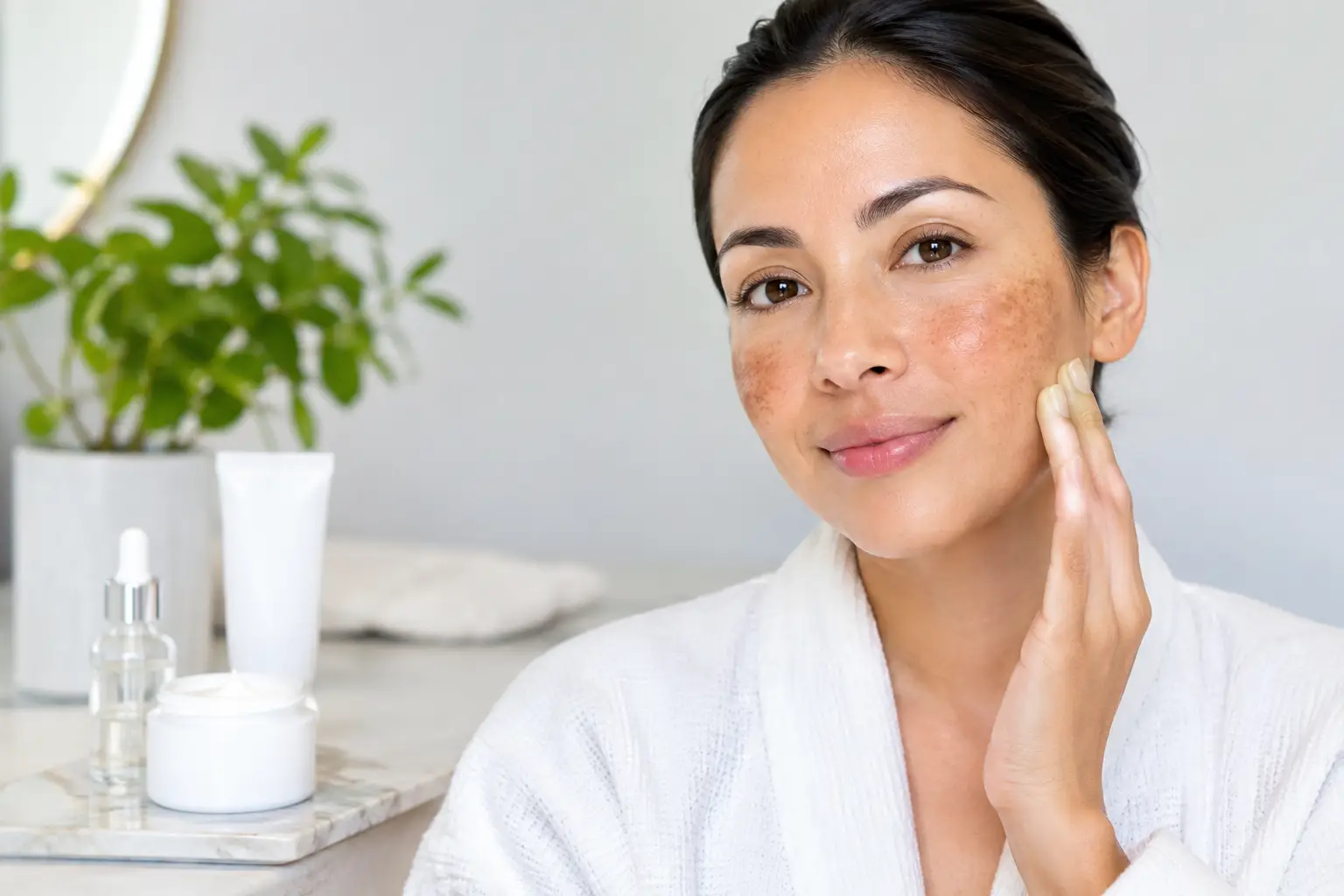
Melasma can make skin feel unpredictable. A patch that appeared after a summer of driving, a hormonal change, or a period of stress may seem to deepen no matter how carefully you cleanse or moisturize. This melasma care treatment guide begins with the most useful truth: melasma is treatable, but it responds best to patient, consistent care rather than an aggressive attempt to erase it overnight.
Melasma is a form of hyperpigmentation that commonly appears as symmetrical brown, gray-brown, or sometimes blue-gray patches on the cheeks, forehead, upper lip, nose, and jawline. It is not a sign that your skin is dirty or that you have failed at skin care. It is a pigment condition influenced by a combination of light exposure, heat, hormones, genetics, inflammation, and skin irritation. A thoughtful plan respects all of those influences.
Why Melasma Is Different From a Dark Spot
A single dark mark left after a blemish is often post-inflammatory hyperpigmentation. Melasma tends to behave differently. It is usually broader, more symmetrical, and more reactive to everyday triggers. Sun exposure is a major factor, but visible light and heat can also contribute to worsening pigment in some people.
Hormonal shifts can matter as well. Pregnancy, birth control, hormone therapy, and thyroid concerns may be part of the picture. Some clients also notice their melasma becomes more noticeable after a vacation, an outdoor workout routine, a hot yoga class, waxing, a strong peel, or trying too many active products at once.
This does not mean you must avoid the outdoors or stop every treatment. It means your routine should be built around reducing unnecessary pigment stimulation while supporting a healthy skin barrier. The best approach depends on your skin tone, sensitivity, current products, medical history, and the depth and pattern of your discoloration.
Melasma Care Treatment Guide: Start With Daily Protection
If there is one non-negotiable step in melasma care, it is daily broad-spectrum sun protection. Without it, even excellent corrective products and professional treatments can struggle to hold their progress. UV exposure can stimulate melanin production quickly, including through incidental exposure during errands, driving, gardening, or sitting near windows.
Use a broad-spectrum SPF 30 or higher every morning, and apply enough to create an even protective layer across the face, neck, and any other exposed areas. For melasma-prone skin, a tinted mineral sunscreen containing iron oxides can be especially helpful because it also offers protection against visible light. The best sunscreen is one you will wear consistently, so texture, finish, and compatibility with makeup matter.
Reapplication is where many routines lose effectiveness. Reapply when you are outdoors, sweating, spending extended time near bright windows, or exposed to strong daylight for several hours. A wide-brimmed hat, sunglasses, and shade add meaningful support. These are not cosmetic extras. They are part of treatment.
Heat management is also worth considering. Heat alone may not cause melasma, but some people see flares when they are frequently overheated. If you notice a connection, choose cooler workout times, take breaks from steam rooms and saunas, and use practical sun-protective clothing during outdoor activities.
Build a Routine That Corrects Without Causing Irritation
Melasma often improves when a routine is simple, consistent, and well tolerated. The temptation to layer acids, scrubs, retinoids, masks, and brightening serums can be understandable, especially when discoloration feels stubborn. But inflammation can signal the skin to produce more pigment. Redness, stinging, peeling, or persistent tightness are not signs that a product is working harder.
Begin with a gentle cleanser that removes sunscreen, makeup, and excess oil without leaving the skin squeaky or uncomfortable. Follow with a targeted pigment-supporting product selected for your skin. Ingredients commonly used in professional routines include vitamin C, niacinamide, azelaic acid, tranexamic acid, kojic acid, licorice root extract, alpha arbutin, and retinoids. These ingredients work in different ways, and not every option is appropriate for every client.
For example, a retinoid may support cell turnover and improve the appearance of uneven pigment, but it can be too irritating if introduced too quickly. Azelaic acid is often well tolerated and can be useful for clients who also experience acne or sensitivity, yet even gentle products should be introduced carefully. Vitamin C can be an excellent morning antioxidant, but formulation, strength, and overall routine balance affect whether it feels comfortable on your skin.
A barrier-supportive moisturizer helps the skin tolerate treatment. Look for formulas that provide hydration and ingredients such as ceramides, glycerin, fatty acids, or hyaluronic acid when appropriate for your skin type. Oily skin still needs hydration. The goal is not to dry the skin into submission. The goal is calm, resilient skin that can respond to corrective care.
Introduce one new active product at a time. Use it on the schedule recommended by your skin care professional, then give your skin time to respond. If your face is burning, intensely itchy, swollen, or breaking out in a new rash, stop the product and seek professional guidance. More products do not automatically create better results.
Know When Professional Care Makes Sense
At-home care is the foundation, but professional guidance can prevent expensive trial and error. A detailed skin analysis can help distinguish melasma from post-inflammatory hyperpigmentation, sun damage, or another condition that needs medical evaluation. It also helps identify habits that may be quietly working against your routine, from over-exfoliation to inconsistent sunscreen use.
Professional facial treatments may support melasma when they are conservative and customized. Gentle exfoliation, barrier-focused treatments, and carefully selected pigment-supporting protocols can complement a daily regimen. However, strong peels, aggressive resurfacing, and poorly matched devices can trigger inflammation and worsen discoloration, particularly in deeper skin tones or reactive skin.
This is where individualized care matters. A treatment that helped a friend, influencer, or online reviewer may not be safe or effective for your skin. At The Skin Genie, a thorough consultation looks beyond the surface of the patch itself and considers your current routine, sensitivity, lifestyle, stress, supplements, and skin history before recommending a plan.
Some melasma requires a dermatologist’s care. Prescription options may include hydroquinone, tretinoin, azelaic acid, tranexamic acid, or combination therapies, depending on your circumstances. If you are pregnant, breastfeeding, trying to conceive, taking hormonal medication, or managing a medical condition, consult your physician or dermatologist before using corrective ingredients. New, rapidly changing, raised, bleeding, or irregularly colored spots should always be medically evaluated rather than self-treated as melasma.
Set a Timeline You Can Actually Trust
Pigment changes slowly. Most people need at least eight to twelve weeks of consistent daily protection and a well-matched routine before judging whether it is helping. More significant improvement can take several months, especially when melasma has been present for years or triggers remain active.
Progress is not always perfectly linear. A sunny weekend, a vacation, a change in hormones, or an irritating product can cause a temporary setback. That does not mean your plan has failed. It may mean your skin needs a return to basics: gentle cleansing, barrier support, consistent tinted sunscreen, and a review of what changed.
Photographs taken in the same location and lighting every four weeks can be more useful than checking the mirror every morning. Look for softer borders, lighter contrast, more even tone, and fewer new areas of discoloration. Those changes are often easier to see over time than day to day.
Melasma care asks for consistency, not perfection. Protect your skin before you see pigment, use corrective products with restraint, and let professional guidance shape the details. A calm, personalized routine may feel less dramatic than a quick fix, but it gives your skin the best chance to become clearer, stronger, and easier to care for over the long term.
Ready for healthier skin?
Book online in a minute, no credit card needed, or call me for a free 10-minute consultation.