
Medical Grade Versus Drugstore Skincare Explained
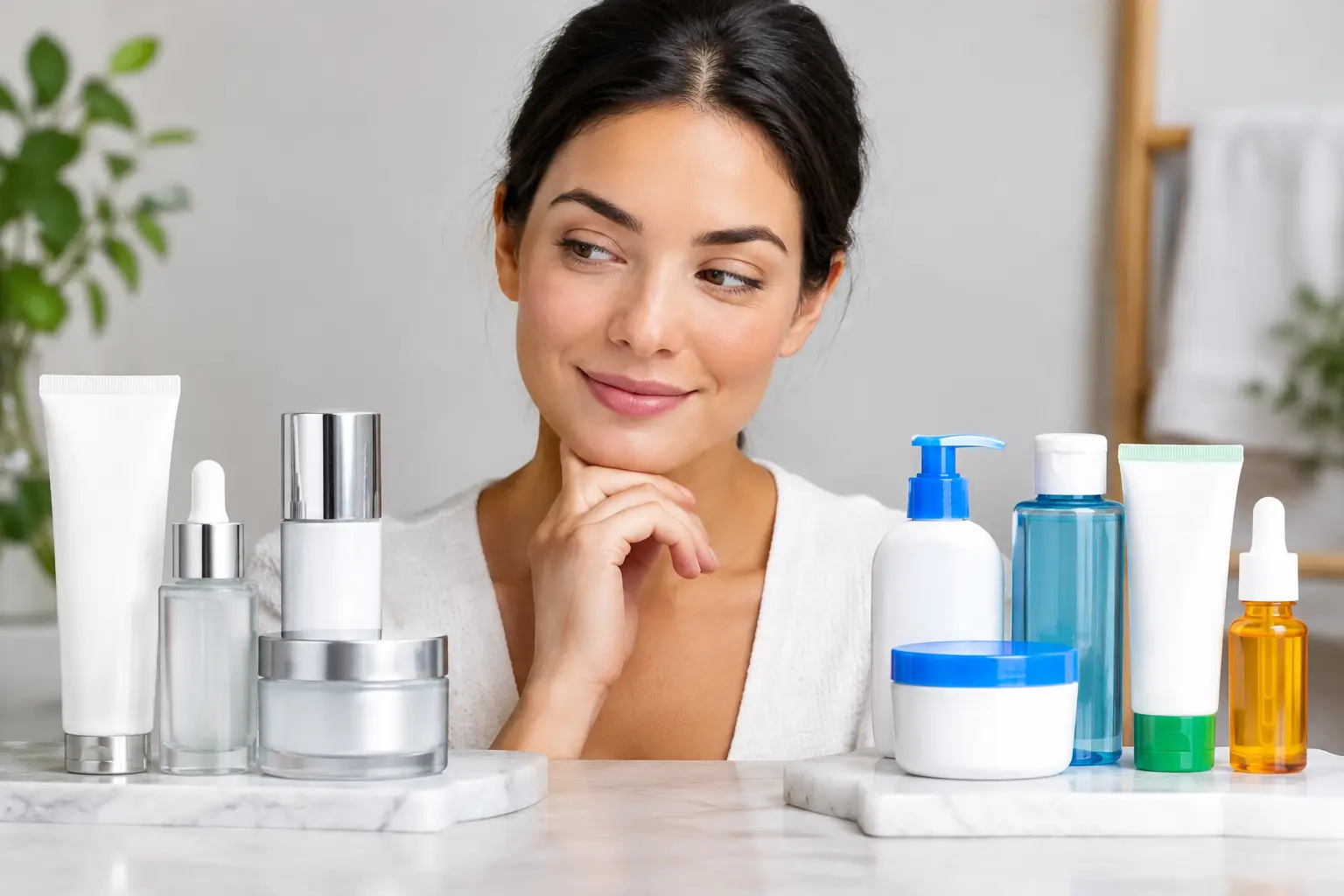
A shelf full of promising cleansers, serums, and creams can make skin care feel like a guessing game. When clients ask about medical grade versus drugstore skincare, they are usually not just asking why one product costs more. They want to know what will safely help their acne, dark spots, dryness, sensitivity, or early signs of aging without wasting more time and money on products that do not fit their skin.
The honest answer is that both categories have a place. A well-chosen drugstore cleanser may be exactly what someone needs, while a professional-strength corrective serum can make a meaningful difference for a specific concern. The value is not in a label alone. It is in the formula, the way it is used, and whether it belongs in a plan designed for your skin.
What “medical grade” actually means
The term “medical grade” is widely used in professional skin care, but it is not a formal FDA category. It generally describes products sold through dermatology offices, medical spas, and licensed skin care professionals that are designed with targeted active ingredients, sophisticated delivery systems, and clinical or professional-use standards in mind.
Some products in this category are available only through a provider because they require guidance. Others are sold directly to consumers but are still best selected after a skin analysis. A product may be highly effective, but effectiveness is not the same as being right for every person. Strong exfoliating acids, retinoids, pigment-correcting ingredients, and acne products can create irritation when layered incorrectly or introduced too quickly.
It also helps to separate medical-grade skin care from prescription treatment. Prescription products are regulated medications used under the direction of a medical provider. Professional skin care products are cosmetic or cosmeceutical formulations. They may support visible improvement in concerns such as uneven tone, congestion, dehydration, and texture, but they do not replace medical care for conditions that need diagnosis or treatment by a physician.
Why the price difference is not the whole story
Drugstore skin care is not automatically inferior. Many accessible products contain helpful ingredients such as ceramides, glycerin, niacinamide, salicylic acid, and sunscreen filters. Drugstores also make basic skin care more available, which matters. Healthy skin does not require an expensive ten-step routine.
The difference often comes down to how a formula is built. Professional products may use higher concentrations of certain actives, more stable forms of ingredients, or delivery systems intended to help those ingredients perform effectively on the skin. Antioxidants, retinoids, peptides, and pigment-supporting ingredients can be particularly sensitive to packaging, pH, stability, and compatibility with other ingredients.
A product’s full formula matters as much as its hero ingredient. Two serums can both advertise vitamin C, for example, yet differ greatly in the type of vitamin C used, its concentration, pH, packaging, fragrance, and supporting ingredients. One may be gentle and appropriate for daily maintenance. The other may be better suited to a client working on visible sun damage or uneven pigmentation. Neither is universally better.
Professional products also tend to be paired with education. That guidance is part of what clients are paying for. A Master Esthetician can look at the condition of the skin, current routine, lifestyle factors, treatment history, and goals before recommending how much to use, when to use it, and what not to combine it with.
Medical grade versus drugstore skincare for common concerns
The right choice changes with the concern, the condition of the skin barrier, and the person’s willingness to follow a consistent routine.
Acne and congestion
For mild, occasional breakouts, a gentle cleanser and an over-the-counter salicylic acid or benzoyl peroxide product may be enough. But persistent acne is rarely improved by aggressively drying out the skin. Over-cleansing, frequent scrubs, and stacking multiple acne actives can weaken the barrier, increase inflammation, and make breakouts harder to manage.
A customized professional plan may include carefully chosen exfoliation, hydration, and targeted corrective products rather than a harsh spot treatment alone. Acne can also be influenced by stress, medications, cosmetics, exercise habits, diet patterns, and picking. Looking at the full picture helps create a plan that is sustainable instead of reactive.
Hyperpigmentation and uneven tone
Dark marks from acne, melasma, and sun exposure require patience. Drugstore products with niacinamide, azelaic acid, or gentle exfoliants can be useful, particularly when the skin is sensitive or someone is beginning a routine.
More stubborn discoloration may benefit from professionally selected pigment-supporting ingredients and treatment planning. Daily broad-spectrum sunscreen is non-negotiable in either approach. Without regular sun protection, even an excellent brightening serum is working against ongoing UV exposure and visible light.
Dryness, sensitivity, and a damaged barrier
This is an area where simple drugstore products can be very effective. A fragrance-free cleanser, moisturizer with ceramides, and sunscreen may be the best starting point for skin that stings, flakes, or feels tight. Adding strong corrective products to an impaired barrier often makes the situation worse.
Once the skin is calm, a professional can help determine whether the sensitivity is temporary, related to overuse of actives, or part of a condition that should be evaluated medically. Results-focused care always begins with safety. Skin does not need to burn or peel to be improving.
Aging concerns and texture
Fine lines, dullness, laxity, and rough texture respond best to consistency over time. A basic drugstore routine that includes sunscreen and a tolerable retinoid can make a real difference. For clients wanting a more focused plan, professional formulas and treatments can support greater visible change, especially when paired thoughtfully rather than used all at once.
The best routine is the one you can use correctly for months. Buying the strongest product available and abandoning it after two weeks of redness is not a results strategy.
The hidden risk: product overload
Many frustrated clients arrive with a bathroom counter full of partially used products. They have tried a viral exfoliant, a retinol cream, a brightening serum, an acne spot treatment, and a new cleanser – all within the same week. Their skin may be dry, congested, red, or unpredictable, and they do not know which product caused the change.
More products do not necessarily create better skin. A thoughtful regimen has a purpose for each step: cleanse without stripping, protect the barrier, address a specific concern, and protect against sun exposure. Introducing one corrective product at a time makes it easier to notice results and identify irritation early.
This is where professional direction can prevent expensive trial and error. A skin analysis is not about pressuring someone into a complicated routine. It is about identifying what the skin needs now, what can wait, and what may be getting in the way.
How to decide where to invest
If your skin is generally balanced and you need reliable basics, drugstore products may cover much of your routine. A gentle cleanser, moisturizer, and broad-spectrum SPF are strong foundations at many price points. It is reasonable to save your investment for the product category most connected to your main concern.
If you have recurring acne, persistent hyperpigmentation, sensitivity, or have tried multiple products without clear improvement, professional guidance is often worthwhile. The goal is not to replace every affordable product in your cabinet. It is to choose products with intention and avoid combinations that compromise skin health.
When evaluating any product, ask practical questions. What concern is it meant to address? Is the active ingredient appropriate for your skin right now? How should it be introduced? What else in your routine could make it irritating? And can you use it consistently enough to judge its performance?
At The Skin Genie, recommendations begin with the person in front of us, not a generic routine. Your current products, treatment history, stress level, habits, and goals all provide useful information. Skin care with results is built on accurate information rooted in science, plus the patience to let a well-designed plan work.
Your skin does not need the most expensive product or the loudest promise. It needs informed choices, gentle consistency, and support that respects both its limits and its potential.
Ready for healthier skin?
Book online in a minute, no credit card needed, or call me for a free 10-minute consultation.