
How to Use Retinol Safely Without Overdoing It
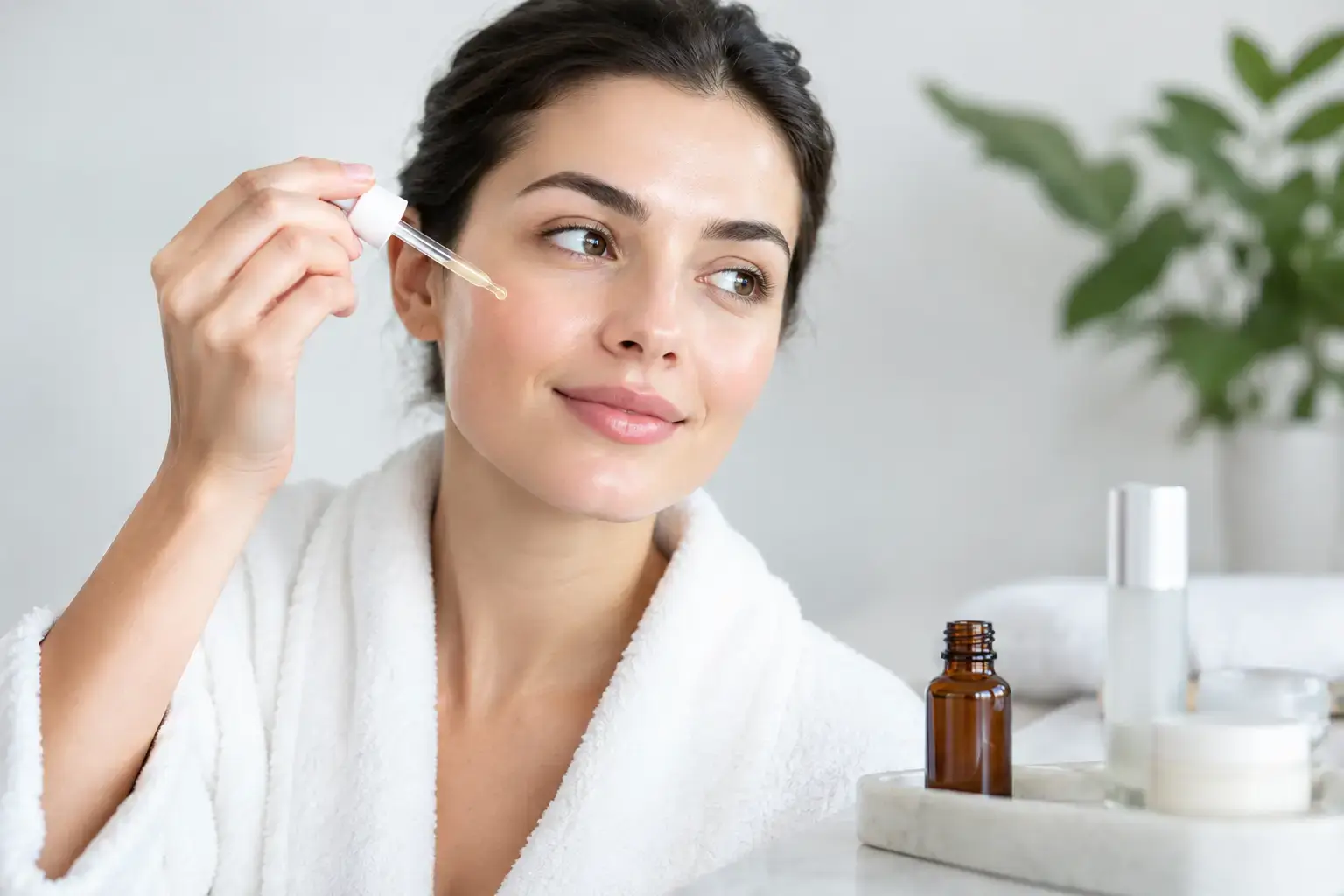
Retinol can be one of the most rewarding ingredients in a skin care routine, but it is also one of the easiest to misuse. If you are wondering how to use retinol safely, the answer is not to start with the strongest formula or use it every night. Healthy results come from choosing the right product, introducing it slowly, and paying attention to what your skin is telling you.
Retinol supports skin renewal and can improve the look of uneven tone, fine lines, rough texture, breakouts, and post-acne marks over time. That does not mean everyone needs the same strength, schedule, or supporting products. Your skin history, current routine, climate, sensitivity level, and treatment goals all matter.
Start With Your Skin Barrier, Not the Retinol
A retinol routine is only as successful as the skin barrier beneath it. When the barrier is already compromised, retinol can turn mild dryness into persistent redness, stinging, flaking, or inflamed breakouts. This is why someone may say retinol “did not work” for them when the real issue was an irritated barrier and an overly aggressive routine.
Before beginning, your basic routine should feel comfortable and consistent: a gentle cleanser, a moisturizer that supports the barrier, and broad-spectrum sunscreen every morning. If your skin is currently burning, peeling, reacting to nearly everything, or recovering from an aggressive treatment, pause the idea of retinol for now. Restore comfort first.
A professional skin analysis can be especially helpful if you are managing acne, hyperpigmentation, rosacea-like sensitivity, eczema, or recurring irritation. Retinol may still have a place in your routine, but it needs to be introduced with more care.
Choose a Formula You Can Actually Tolerate
Over-the-counter retinol products vary widely. A higher percentage is not automatically better, especially at the beginning. Retinol must be converted by the skin before it becomes active, so it generally works more gradually than prescription retinoids such as tretinoin. That can make it a useful option for people who want visible long-term improvement without beginning at prescription strength.
A beginner often does well with a lower-strength, well-formulated retinol in a moisturizing cream or serum base. A more experienced user may tolerate a stronger formula, but only if their skin has remained calm on a lower strength and their routine provides adequate support.
Product quality matters, too. Retinol is sensitive to light and air, so packaging and formulation stability affect performance. Rather than chasing a percentage on a label, look at the complete formula, your current tolerance, and whether the product fits your actual goals.
How to Use Retinol Safely at Night
Use retinol in the evening. After cleansing, let your skin dry completely before applying it. Damp skin can increase penetration and make irritation more likely, particularly for a new user or someone with sensitive skin.
Apply a pea-sized amount for the entire face, not a pea-sized amount for each area. Dot it across the forehead, cheeks, and chin, then spread it in a thin, even layer. More product will not create faster results. It usually creates more inflammation.
Avoid the corners of the nose, lips, and immediate eye area unless your specific product is designed and approved for those areas. These zones tend to be more delicate and are often the first places to become dry or irritated.
Follow with moisturizer. If you are prone to sensitivity, try the “sandwich” approach: apply a light layer of moisturizer, then retinol, then another layer of moisturizer. This can reduce irritation without making retinol pointless. For some people with very resilient skin, applying retinol directly to clean, dry skin may be appropriate. It depends on tolerance, not on what is trending online.
Begin Slowly and Give Your Skin Time
Start with retinol one night per week for the first two weeks. If your skin remains comfortable, increase to two nights per week. After several more weeks without significant irritation, you may move to every other night or follow the schedule recommended by your skin care professional.
There is no prize for reaching nightly use. Some people get excellent results using retinol two or three nights a week indefinitely. The best schedule is the one that delivers steady improvement while keeping your skin calm and functional.
A little temporary dryness can happen when you first begin. Ongoing burning, swelling, cracking, raw patches, intense itching, or redness that does not settle are signs to stop using the product and simplify your routine. Once the skin is comfortable again, you may be able to restart at a lower frequency. If the reaction is severe or persistent, contact a qualified medical professional.
Do Not Stack Every Active Ingredient at Once
The most common retinol mistake is combining too many exfoliating or stimulating products in the same evening. Retinol does not need to compete with a strong scrub, exfoliating acids, benzoyl peroxide, or another retinoid to be effective.
At first, keep retinol nights simple: cleanser, retinol, moisturizer. Use exfoliating acids such as glycolic, lactic, or salicylic acid on separate nights if they are appropriate for your skin. Benzoyl peroxide can also be drying and may be better scheduled apart from retinol, particularly when you are building tolerance.
Vitamin C is often best used in the morning alongside sunscreen, while retinol stays in the evening. This is not a rigid rule for every formula, but separating active ingredients can make a routine easier to tolerate and easier to troubleshoot. When your skin reacts, you want to know what caused it.
Be mindful of facial waxing, scrubs, professional peels, and resurfacing treatments as well. Retinol can make skin more vulnerable to irritation from these services. Tell your esthetician or treatment provider that you use retinol, and follow their guidance about when to pause it before and after a procedure.
Sunscreen Is Part of the Treatment Plan
Retinol is an evening product, but sunscreen determines how well your skin handles the process during the day. Daily broad-spectrum SPF 30 or higher helps protect against sun damage, supports more even-looking pigmentation, and reduces the chance that irritation becomes more noticeable.
Apply sunscreen every morning, including on cloudy days and during short drives or errands. In sunny Ventura or Cedar City conditions, reapplication matters when you are outdoors, near windows for extended periods, exercising outside, or spending time around reflective surfaces. A hat and shade are helpful additions, not substitutes for sunscreen.
If you are using retinol to address dark spots, skipping sunscreen can work against your goal. Sun exposure can deepen visible discoloration and make progress feel frustratingly slow.
When Retinol May Not Be the Right Choice
Retinoids are generally not recommended during pregnancy. If you are pregnant, trying to conceive, or breastfeeding, discuss your skin care products with your physician or qualified health care provider before using retinol. There are other options that may better suit your needs during this time.
Retinol may also be a poor fit during an active flare of eczema, significant rosacea sensitivity, sunburn, or a period when your skin is reacting to multiple products. It is perfectly reasonable to focus on barrier repair, hydration, and inflammation control first. Skin care should support your skin’s health, not create a cycle of damage in pursuit of faster results.
Be Patient Enough to See What It Can Do
Retinol is not an overnight treatment. Texture and clarity may begin to look more refined over several weeks, while concerns like fine lines and discoloration often require consistent use for months. Progress is rarely perfectly linear. Seasonal weather, stress, travel, hormones, sleep, exercise, diet, and changes in other products can all affect how your skin behaves.
Take a photo in similar lighting every four to six weeks rather than judging your skin in a magnifying mirror each morning. This gives you a more honest view of gradual changes and helps you notice whether your routine is truly helping.
At The Skin Genie, the goal is never to hand you a generic routine and hope for the best. Retinol can be a valuable part of healthier, more radiant skin, but the right plan is one your skin can sustain. Start gently, protect your barrier, wear your sunscreen, and let consistent care do the work.
Ready for healthier skin?
Book online in a minute, no credit card needed, or call me for a free 10-minute consultation.